Phage Therapy for Antibiotic-Resistant Bacteria: New Research
Discover how phage therapy targets antibiotic-resistant bacteria through bacteriophage selection, phage cocktails, biofilm disruption and emerging biotechnology research
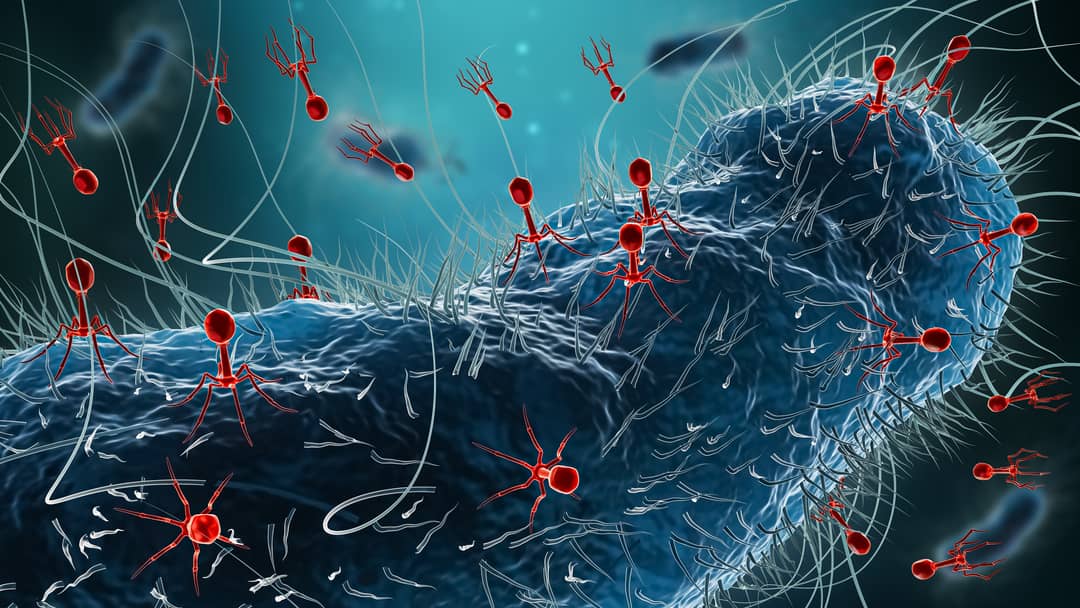
How bacteriophages are transforming research into bacterial infections through targeted microbial recognition, phage cocktails, biofilm disruption and emerging personalized antimicrobial strategies.
Antibiotic-resistant bacteria represent one of the most important challenges in modern microbiology. As bacterial populations develop resistance to conventional antimicrobial compounds, researchers are investigating alternative biological approaches capable of targeting specific bacterial strains. One particularly promising field is bacteriophage therapy, which uses naturally occurring bacterial viruses to recognize and infect susceptible bacteria.
What Is Phage Therapy?
Phage therapy is a biological approach that uses bacteriophages, also known as phages, to target particular bacterial populations. Bacteriophages are viruses that naturally infect bacteria and are found in almost every environment, including soil, freshwater, oceans and the human microbiome.
During a lytic infection, a bacteriophage recognizes a compatible bacterial receptor, attaches to the cell surface and introduces its genetic material. The viral genome then directs the production of new phage particles. Eventually, the bacterial cell undergoes lysis, releasing newly assembled phages.
This natural biological cycle provides the foundation for investigating phage therapy against antibiotic-resistant bacteria, including bacterial strains that are difficult to control using conventional antimicrobial approaches.
How Do Bacteriophages Target Resistant Bacteria?
The effectiveness of bacteriophage therapy depends on the compatibility between a phage and its bacterial host. Specific proteins located on the phage surface recognize receptors on bacterial cells. These receptors may include membrane proteins, lipopolysaccharides, capsules or other surface structures.
Once attachment occurs, the phage introduces its genome into the bacterial cell. In lytic bacteriophages, viral replication eventually leads to bacterial cell destruction.
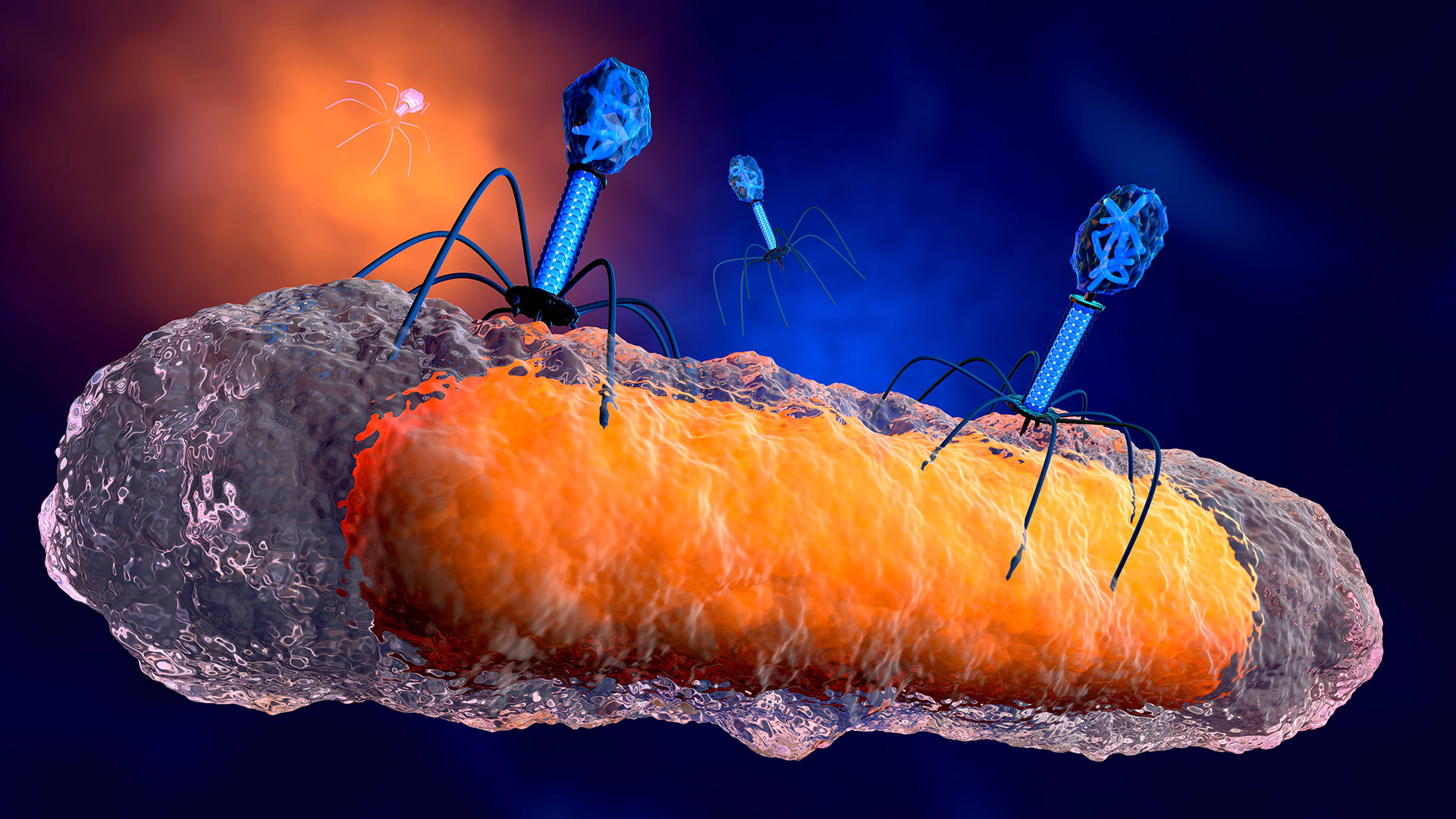
The main stages of phage infection
Host Recognition
Phage surface proteins recognize compatible receptors on a susceptible bacterial cell.
Attachment and Genome Injection
The bacteriophage attaches to the bacterial surface and introduces its genetic material into the cell.
Viral Replication
In a lytic infection, the phage uses bacterial cellular machinery to produce new viral components.
Bacterial Cell Lysis
Phage-associated enzymes disrupt the bacterial cell envelope, releasing newly assembled viral particles.
Why Is Phage Therapy Important for Antibiotic-Resistant Bacteria?
Antimicrobial resistance occurs when bacteria develop biological mechanisms that allow them to survive exposure to compounds that previously inhibited their growth. This phenomenon can make bacterial infections increasingly difficult to manage.
Bacteriophages offer a different biological mechanism. Because they recognize specific bacterial structures, researchers can investigate phages that target individual bacterial strains, including certain resistant isolates.
Specific Bacterial Recognition
Many phages recognize particular bacterial receptors, allowing highly selective interactions with susceptible strains.
Activity Against Resistant Strains
Some phages can infect bacteria that display resistance to several conventional antimicrobial compounds.
Potential Biofilm Disruption
Selected phages produce enzymes capable of degrading components of bacterial capsules and biofilm matrices.
Microbiome Research
The specificity of phages makes them interesting tools for investigating bacterial populations and microbial community interactions.
Which Antibiotic-Resistant Bacteria Are Studied in Phage Research?
Several clinically important bacterial species have become major subjects in bacteriophage research. Scientists investigate their susceptibility to different phages, their resistance mechanisms and the potential of customized phage combinations.
Pseudomonas aeruginosa
This opportunistic bacterium is frequently investigated in phage research because of its ability to form persistent biofilms and develop resistance to multiple antimicrobial agents. Phage research explores targeted approaches against susceptible P. aeruginosa strains.
Acinetobacter baumannii
A. baumannii is an important research target because of its environmental persistence and ability to develop extensive antimicrobial resistance. Bacteriophage studies investigate its strain-specific susceptibility and possible applications in difficult bacterial infections.
Staphylococcus aureus
Researchers investigate bacteriophages that recognize S. aureus, including methicillin-resistant strains. Phage-derived enzymes and customized phage combinations are also important areas of investigation.
Escherichia coli
Certain E. coli strains are studied in phage research because of their role in gastrointestinal and urinary bacterial infections. Phage specificity and bacterial receptor recognition are important research considerations.
Phage Cocktails: Combining Multiple Bacteriophages
One of the most interesting strategies in modern phage therapy research is the development of phage cocktails. A phage cocktail contains multiple bacteriophages selected to target different bacterial strains or recognize different receptors on a bacterial population.
Combining several phages may increase bacterial coverage and reduce the likelihood that a single bacterial mutation will provide resistance against every phage included in the formulation.
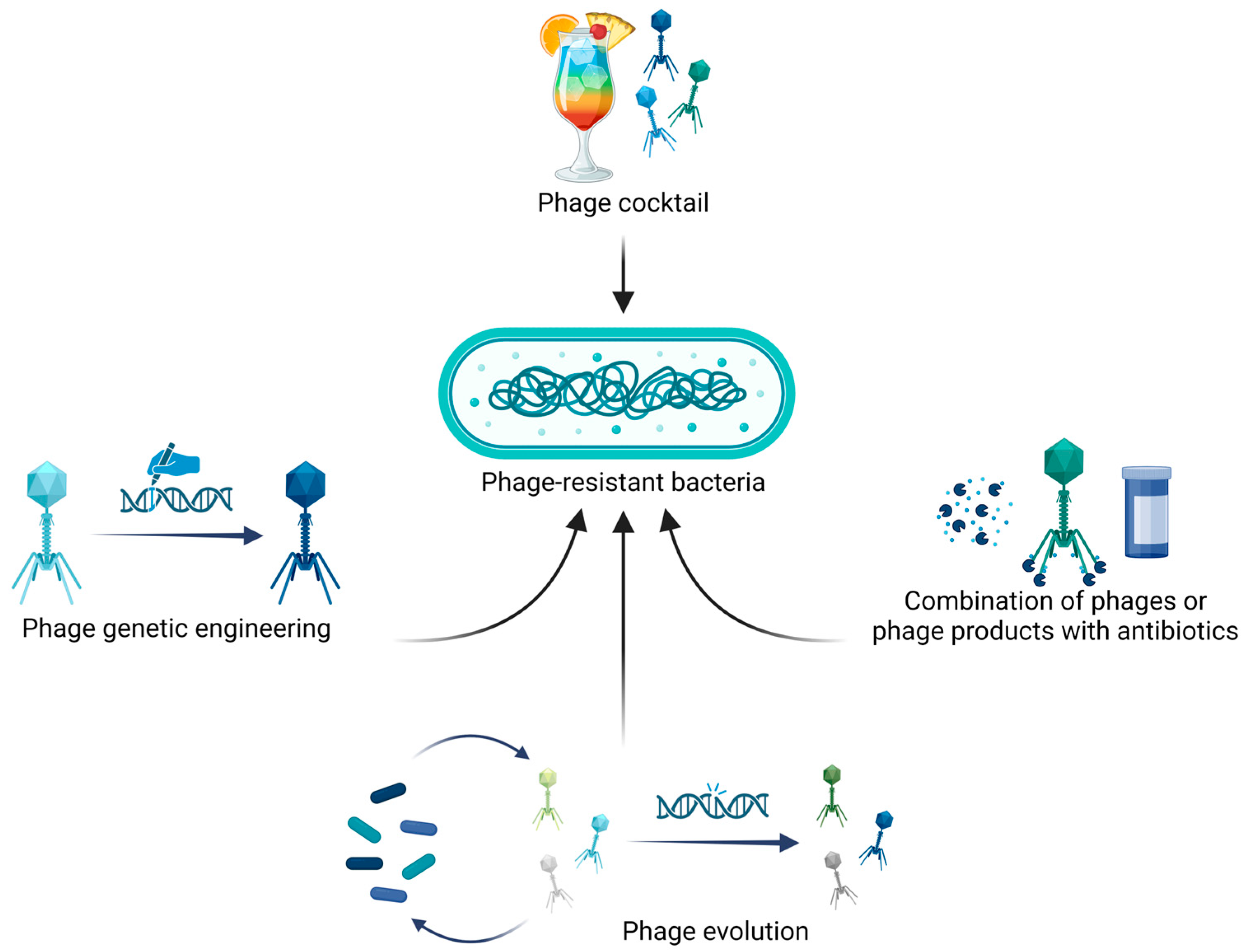
Why are phage cocktails being investigated?
- To target several bacterial strains within a population.
- To recognize different bacterial surface receptors.
- To investigate ways of reducing the emergence of phage resistance.
- To explore complementary phage activities.
- To support personalized bacteriophage selection.
Phage Therapy and Bacterial Biofilms
Bacterial biofilms are organized microbial communities surrounded by an extracellular matrix. This matrix contains different biological components, including polysaccharides, proteins and extracellular DNA.
Biofilm formation is an important factor in persistent bacterial colonization and can contribute to reduced susceptibility to antimicrobial compounds. Bacteria within biofilms may also display altered metabolic activity and increased tolerance to environmental stress.
Certain bacteriophages produce depolymerases, enzymes that break down specific extracellular polysaccharides. These enzymes can help phages interact with bacterial capsules and components of biofilm structures.
How do phages interact with biofilms?
- Recognition of bacterial cells within biofilm communities.
- Production of enzymes that degrade selected extracellular components.
- Infection and lysis of susceptible bacterial cells.
- Investigation of phage penetration and distribution within complex microbial structures.
The relationship between bacteriophages and bacterial biofilms remains an active research field. Not every phage can penetrate or effectively disrupt every biofilm, and experimental outcomes depend on bacterial species, phage characteristics and biofilm composition.
Personalized Phage Therapy and Phage Susceptibility Testing
Personalized phage therapy is based on selecting bacteriophages according to the characteristics of an individual bacterial isolate. This approach is particularly relevant because phage host ranges can be narrow, meaning that a phage effective against one strain may not infect another strain of the same bacterial species.
Laboratory susceptibility testing is therefore an important part of phage research and clinical development.
How does phage susceptibility testing work?
Bacterial Isolate Characterization
The bacterial strain is identified and characterized using appropriate microbiological and molecular methods.
Phage Screening
Candidate bacteriophages are evaluated to determine whether they can infect the selected bacterial isolate.
Activity Assessment
Laboratory assays evaluate bacterial susceptibility, phage activity and other relevant biological characteristics.
Selection and Validation
Promising phage candidates undergo additional characterization, quality assessment and appropriate validation.
This approach connects bacteriophage research with microbial genomics, molecular diagnostics and personalized microbiology.
Phage Therapy Combined with Conventional Antimicrobial Approaches
Researchers are also investigating whether bacteriophages can complement conventional antimicrobial treatments. This research area is often described as phage-antibiotic synergy.
In certain experimental systems, phages and antibiotics may produce complementary effects. For example, phage-mediated bacterial changes can sometimes influence bacterial susceptibility to particular antimicrobial compounds.
However, synergy is not guaranteed. Some combinations may produce neutral or antagonistic effects, depending on the bacterial strain, phage, antimicrobial compound and experimental conditions.
Key areas of investigation
- Interactions between phage infection and bacterial stress responses.
- Changes in bacterial surface receptors following phage exposure.
- Potential changes in bacterial susceptibility to conventional antimicrobial compounds.
- Combined approaches for studying biofilm-associated bacteria.
- Evolutionary interactions between phages and resistant bacterial populations.
What Are the Limitations of Phage Therapy?
Although bacteriophage therapy has attracted considerable scientific attention, several challenges must be addressed before it can become a standardized clinical approach.
Narrow Host Range
Many phages infect only particular bacterial strains, making accurate bacterial identification and susceptibility testing essential.
Phage Resistance
Bacteria can develop changes in their surface receptors or activate antiviral defense systems that reduce phage susceptibility.
Immune Responses
The human immune system may recognize and clear phage particles, potentially influencing their persistence and activity.
Manufacturing and Stability
Purification, formulation, storage and consistent quality control are important requirements for clinical development.
Clinical Evidence
Many promising observations come from individual cases and small studies. Larger controlled clinical studies remain important.
Regulatory Standardization
Personalized phage preparations and genetically modified phages require appropriate safety assessment and regulatory oversight.
The Future of Bacteriophage Therapy Research
Developments in synthetic biology, genetic engineering and computational microbiology are creating new opportunities for phage research.
Researchers are exploring engineered bacteriophages with modified host recognition properties, improved biological functions and additional capabilities for interacting with bacterial populations.
Artificial intelligence and bioinformatics are also becoming increasingly relevant to bacteriophage discovery. Genome sequencing, computational protein analysis and machine learning can help researchers investigate phage diversity, predict host interactions and identify promising candidates for experimental validation.
Emerging biotechnology research directions
- AI-assisted bacteriophage discovery and genome analysis.
- Engineered phages with modified receptor-binding proteins.
- Advanced phage cocktails for complex bacterial populations.
- Phage-derived enzymes for bacterial biofilm research.
- CRISPR-based technologies in bacteriophage research.
- Personalized phage selection using genomic information.
- Computational prediction of phage-host compatibility.
Frequently Asked Questions About Phage Therapy
What is phage therapy used for?
Phage therapy uses bacteriophages to target susceptible bacterial pathogens. It is being investigated for complex bacterial infections, particularly those involving antibiotic-resistant strains.
Can bacteriophages target antibiotic-resistant bacteria?
Yes. Certain bacteriophages can infect and destroy susceptible bacteria even when those bacteria are resistant to conventional antibiotics. Their effectiveness depends on strain-specific phage susceptibility.
What is a phage cocktail?
A phage cocktail is a combination of multiple bacteriophages selected to target different bacterial strains or surface receptors. Researchers investigate these combinations to improve bacterial coverage and address phage resistance.
Can phage therapy disrupt bacterial biofilms?
Some bacteriophages produce depolymerases and other enzymes that interact with biofilm structures. Their ability to disrupt biofilms depends on the specific phage and bacterial community.
What is personalized phage therapy?
Personalized phage therapy involves selecting bacteriophages according to the susceptibility characteristics of a specific bacterial isolate, rather than using the same phage preparation for every bacterial strain.
Are bacteriophages better than antibiotics?
Neither approach is universally better. Bacteriophages have specific biological advantages and limitations, while conventional antibiotics have different mechanisms and broader established clinical applications. Research is also investigating their combined use.
Is phage therapy an established standard treatment?
Phage therapy is used in selected settings and investigated in clinical research, but it is not yet a routine standardized treatment across healthcare systems. Clinical evidence, regulatory requirements and personalized susceptibility testing remain important considerations.
Conclusion: Bacteriophages and the Future of Antimicrobial Research
Phage therapy represents an important research direction in the effort to address antibiotic-resistant bacteria. By exploiting the natural specificity of bacteriophages, scientists are investigating biological approaches that differ fundamentally from conventional antimicrobial treatments.
From personalized phage selection and phage cocktails to bacterial biofilm disruption and engineered bacteriophages, the field connects molecular microbiology with advanced biotechnology.
Continued progress in genome sequencing, synthetic biology, computational analysis and clinical research will be essential for translating promising laboratory findings into reliable applications.
Explore Related Biotechnology Research
Continue exploring connected topics in bacteriophage biology, genetic engineering and antimicrobial research:
Scientific References
- Kim MK et al. (2025). Bacteriophage therapy for multidrug-resistant infections: current technologies and therapeutic approaches. Journal of Clinical Investigation.
- Faruk O et al. (2025). Phage treatment of multidrug-resistant bacterial infections in humans, animals, and plants: The current status and future prospects. Infectious Medicine.
- Nie X et al. (2025). Bacteriophage therapy for critical antibiotic-resistant Gram-positive bacteria: A systematic review of clinical researches. Microbiological Research.
- (2026). A consensus-based guideline for personalized bacteriophage therapy. Nature Medicine.